Same day gardeners Hatton for emergency hedge work
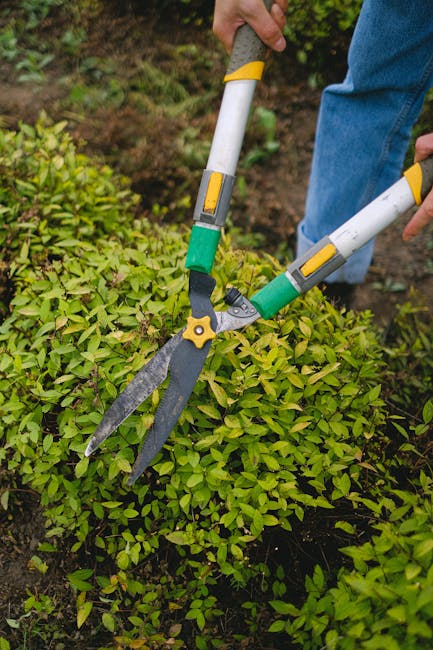
When a hedge suddenly becomes a problem, you usually know it straight away. Maybe a storm has snapped branches across a path, a hedge is leaning into the road, or an overgrown boundary is making a property feel untidy and exposed. In those moments, Same day gardeners Hatton for emergency hedge work is not about vanity gardening. It is about getting a fast, calm, practical fix before the issue gets worse.
This guide explains what emergency hedge work actually involves, how a same-day visit usually works, what to expect from a professional gardener, and how to decide whether you need immediate action or can wait for a planned visit. If you are comparing options, worrying about safety, or simply trying to stop the hedge from becoming tomorrow's bigger headache, you are in the right place.
Why same-day emergency hedge work matters
A hedge can go from "a bit untidy" to "needs attention now" very quickly. Strong wind, a heavy wet spell, accidental damage, or simply months of growth left unchecked can all create a situation where the hedge is no longer just a border feature. It may block sightlines, shed debris, hide hazards, or start pushing into neighbouring space.
There is also a timing issue. If a hedge is damaged before a weekend, before guests arrive, or just before a property viewing, delay tends to make everything feel more stressful. To be fair, hedge emergencies are rarely glamorous. But they are very real. A fast response can restore access, reduce risk, and stop a small problem from becoming a much larger job.
For many households and landlords, the main worry is not perfection. It is control. You want the hedge safe, tidy enough, and no longer causing a nuisance. That is exactly where same-day hedge work has value: it turns a messy, uncertain situation into something manageable.
It also helps protect nearby plants and structures. A collapsing or wildly overextended hedge can rub against fencing, press onto paving, or tangle with climbers and shrubs. In some gardens, especially where space is tight, that can affect the whole layout in one go. If you are already dealing with broader weather damage, the wider advice in guarding your green spaces from severe weather impact is a useful companion read.
Expert summary: emergency hedge work is about safety, access, and damage control first. Shape and neatness come next. A good same-day visit focuses on the essentials, then leaves the hedge in a condition that can be maintained properly later.
How same-day gardeners Hatton for emergency hedge work works
The process is usually simpler than people expect. First, you describe the problem clearly: what happened, where the hedge is, and whether there is any immediate risk. A gardener can then decide whether the job is suitable for same-day attendance, whether it needs more than one person, and whether it is likely to require hedge cutting, selective reduction, clearing, or stabilising work.
In a typical urgent visit, the priority is to make the space safe and workable. That can mean removing loose branches, clearing fallen material, reducing overhang, opening up access, and making a hedge visibly tidier so it stops causing practical problems. If the hedge is badly affected, the work may be more of a careful reduction than a full shape-up. That is not a bad thing. It is often the sensible thing.
Most same-day visits are better when the customer is ready with a few details:
- the exact location of the hedge in the garden or boundary line
- what caused the emergency, such as wind, breakage, or sudden overgrowth
- whether there are children, pets, cars, or pedestrians nearby
- any access issues, like locked gates, narrow side passages, or parked vehicles
- photos if the situation is changing quickly or hard to describe
That little bit of preparation helps a lot. Not because gardeners are fussy, but because emergency work is often time-sensitive and you want the right equipment on arrival. A hedge in a back corner is a very different proposition from one leaning near a front path or shared boundary.
If the hedge forms part of a larger maintenance pattern, it may be sensible to follow up with regular care afterwards. The service pages for hedge trimming in Hatton and garden maintenance are relevant where the urgent job is just the start of bringing things back under control.
Key benefits and practical advantages
Emergency hedge work is not just about speed. Speed matters, yes, but the real benefit is what that speed prevents.
- Safety improvement: broken or overhanging growth can obstruct paths, driveways, and sightlines.
- Reduced stress: getting a same-day response often settles the situation quickly, especially after storms.
- Neighbour relations: a boundary hedge that is intruding or shedding debris can become awkward fast.
- Better property presentation: a quick professional tidy can make a big difference outside a viewing or event.
- Damage prevention: timely trimming can stop rubbing, snapping, or load-bearing branches from causing more harm.
Another advantage is judgement. A skilled gardener will know when to trim lightly and when not to overdo it. That matters more than people realise. If a hedge has already been shocked by weather, cutting too hard can leave it looking thin, brown, or uneven. So sometimes the best emergency result is not a dramatic transformation. It is a careful stabilisation that protects the plant for the next stage.
For homes that value privacy, emergency work also helps keep the hedge functional. If a storm opens gaps or knocks sections out of line, the boundary can feel exposed in an instant. For ideas on hedges that support seclusion over the longer term, take a look at privacy hedges that flourish quickly for added seclusion.
And yes, sometimes the biggest benefit is simply that you can breathe again. I know that sounds obvious, but a damaged hedge near the front of a property has a habit of nagging at you every time you look out the window. One clear visit, and the whole garden feels less loud.
Who this is for and when it makes sense
This type of service is a strong fit for homeowners, landlords, tenants with permission, property managers, and anyone trying to deal with an urgent hedge problem without waiting days or weeks. It also suits people who are not sure how bad the damage is and need a professional to judge it properly.
It makes sense when:
- a hedge has been damaged by wind or stormy weather
- branches are blocking a path, driveway, or entrance
- the hedge has become a nuisance to a neighbour
- the hedge is shedding material onto a road or shared space
- you need a quick tidy before an inspection, event, or property sale
- the hedge has grown unevenly and needs immediate correction
It may also make sense if your garden has been left to get away from you and the hedge is part of a bigger overgrowth problem. In that case, a same-day visit can act as the first practical step back to order. The article on reviving an overgrown garden fits neatly with that situation.
On the other hand, if the hedge is healthy and only slightly untidy, a planned booking might be more sensible. Emergency work is useful, but not every hedge needs a rush. Sometimes the best decision is to wait a few days and do the job properly, especially if you want a more detailed reshape.
Truth be told, the best customers for same-day hedge work are the ones who know what outcome they need. Safe access? Less height? Better privacy? A boundary that no longer looks like it has had a rough night in the wind? That clarity helps everyone.
Step-by-step guidance
If you are arranging urgent hedge work, a simple process keeps everything moving.
- Assess the problem safely. Stand back first. Look for hanging branches, leaning sections, blocked access, and anything close to power lines or fragile structures.
- Decide whether it is an emergency. If people could trip, vehicles may be affected, or the hedge is at risk of falling further, treat it as urgent.
- Gather useful details. Take a couple of photos, note the hedge length if you can, and mention what changed recently.
- Request the same-day visit. Be direct about the issue and the timing. If you need the work done before evening, say so plainly.
- Clear access where possible. Move cars, toys, bins, or garden furniture away from the work area if it is safe to do so.
- Agree the priority. Ask for safety first, then tidying, then any shaping that is sensible for the hedge's condition.
- Check the finish. Make sure cuttings are removed, entrances are clear, and the hedge is stable enough for normal use.
- Plan the follow-up. Some hedges will need a second, gentler visit later to restore a proper shape.
A small but important point: if the hedge is damaged in several places, resist the urge to "fix everything" in one go. I have seen people over-correct and end up with a hedge that looks far more stressed than before. Better to do enough, cleanly, and then wait.
If the emergency was caused by debris, wind, or a general garden build-up, it can help to also look at gardening solutions for coping with intense wind so the same issue does not keep repeating itself.
Expert tips for better results
Here is the part people often skip, and then regret later. A fast hedge response is only as good as the decisions around it.
- Do not overcut freshly stressed hedges. If branches have snapped, remove the damage first and keep the rest conservative.
- Work with the hedge's natural line. Trying to force a dramatic new shape during an emergency can look patchy.
- Ask about next-step maintenance. A quick rescue is often best followed by a scheduled tidy-up.
- Check for hidden issues. Sometimes a hedge is weak because of compacted soil, root disturbance, or old dead wood.
- Keep the base accessible. If ivy, weeds, or mulch have buried the lower stems, that can complicate future work.
In our experience, the most successful emergency jobs happen when the customer gives the gardener permission to be practical, not perfect. That sounds small, but it changes the whole job. You get safer, neater, more durable results that actually suit the hedge's condition.
For hedges that are being used heavily for screening, a professional may also suggest a longer-term plan to keep density and shape balanced. That is where helpful reading like innovative hedge trimming ideas can be useful later on.
And one slightly nerdy tip: after a storm, step back and look at the hedge from the street, from the side gate, and from any upstairs window. The problem line often shows itself differently from each angle. Little things, but they matter.
Common mistakes to avoid
Emergency hedge work can go wrong in surprisingly ordinary ways. The good news? Most of them are easy to avoid once you know what to watch for.
- Calling it a cosmetic job when it is actually a safety issue. If access or visibility is affected, treat it seriously.
- Cutting too hard after weather damage. Shocked hedges need measured handling.
- Ignoring the cause. If wind, poor structure, or lack of routine trimming caused the issue, it may happen again.
- Forgetting boundary responsibilities. Hedges near neighbours, paths, or shared access points need a careful, fair approach.
- Leaving cuttings piled up. Debris left behind can create a second problem, especially in wet weather.
- Trying to do dangerous work alone. Ladders, unstable branches, and tight spaces are not worth the risk.
There is also a planning mistake people make: they assume a hedge crisis can be solved without thinking about what comes after. A hedge that is cut back sharply may need watering, feeding, or gentler follow-up trimming depending on species and season. That is normal. It just needs a bit of patience.
If ivy, weeds, or climbers are complicating the hedge line, a related read such as permanent solutions for bidding ivy farewell can help you separate the hedge problem from the plant problem. Sometimes they are tangled together. Literally.
Tools, resources and recommendations
Good emergency hedge work depends on the right kit and a sensible approach. You do not need to own all the gear yourself, of course, but it helps to know what a professional may use and why.
| Tool or resource | What it helps with | Why it matters in an emergency |
|---|---|---|
| Shrub and hedge trimmers | Cleaning up uneven growth and reducing overhang | Allows fast control of the hedge line |
| Hand pruners and loppers | Removing snapped or awkward individual stems | Better for precise cuts in stressed areas |
| Rake and waste bags | Collecting cuttings and storm debris | Keeps paths clear and prevents slip hazards |
| Gloves and eye protection | Personal safety during cutting and clearing | Basic protection is non-negotiable, really |
| Photos from your phone | Showing the issue before arrival | Helps assess urgency and equipment needs quickly |
For households wanting to keep on top of hedge shape year-round, regular trimming advice and broader garden upkeep can make emergency call-outs less likely. You may also find it useful to review gardening services if the hedge issue is part of a wider tidy-up, or garden maintenance if the garden tends to drift into catch-up mode.
One more recommendation: keep a basic note of what happened after the job. Which hedge was affected, what the trigger was, and what was cut back. It sounds a bit bureaucratic, I know, but it helps if the same issue crops up again next season.
Law, compliance, standards and best practice
Hedge work is usually straightforward, but there are still sensible standards to follow. In the UK, the exact rules can depend on location, hedge type, property boundaries, and any protected trees or wildlife considerations. A careful gardener will avoid making assumptions if there is any doubt.
For emergency work, best practice usually means:
- checking whether the hedge is on your property or part of a shared boundary
- avoiding damage to adjoining fences, walls, paving, or planting
- taking care where nesting birds or wildlife may be present
- using safe access methods rather than risky improvised steps
- disposing of green waste responsibly
If the hedge is near a road, pavement, or entrance used by others, the work should leave the area safe and passable. That is common sense, but it is also part of being a considerate neighbour and a responsible property owner. If there is any uncertainty about boundary responsibility or access rights, it is better to pause and verify than to guess. Guessing in hedge work is not a great hobby.
For peace of mind around safety and service standards, it can also help to read a company's own operational policies such as health and safety guidance, insurance and safety information, and terms and conditions. These pages help set expectations before any work begins.
Options, methods and comparison
Not every hedge problem needs the same response. Sometimes a light tidy is enough. Sometimes you need urgent reduction. And sometimes a hedge issue is actually a broader garden problem in disguise.
| Option | Best for | Pros | Limitations |
|---|---|---|---|
| Same-day hedge rescue | Storm damage, blocked access, urgent overhang | Fast, practical, reduces risk quickly | May focus on safety rather than perfect shaping |
| Planned hedge trimming | Routine shape maintenance | Better for precision and presentation | Not ideal when you need immediate action |
| Garden maintenance visit | Hedge issue plus weeds, borders, or general tidying | Efficient for wider upkeep | May not be as focused on a single urgent hedge problem |
| Tree surgery input | Large woody growth, dangerous branches, severe structural issues | Appropriate for higher-risk situations | Usually more specialised than standard hedge work |
If you are unsure which route fits, ask yourself one question: is this mainly a neatness issue, or is it affecting safety and access? If it is the latter, same-day action usually wins. If it is the former, you may get a better long-term result by scheduling a more deliberate visit.
Sometimes hedge emergencies overlap with other services. A fence line can be damaged by heavy growth, or a boundary can feel exposed after cutting. In those cases, services like fencing or even landscaping may become relevant after the initial hedge work is complete.
Case study or real-world example
A common real-world scenario goes like this. A homeowner notices, after a windy night, that part of the front hedge has folded outwards and started to lean across the walkway. Nothing dramatic at first glance, but enough to make the entry feel awkward. Leaves and twigs are scattered over the path, and a few stems are hanging low enough to catch coat sleeves. Not ideal on a dark Monday morning.
Instead of waiting, they request a same-day visit. The gardener arrives, clears loose debris, removes the broken material, reduces the overhang, and reshapes the worst section so the path is safe again. The whole hedge does not get a full cosmetic makeover. That would have been the wrong priority. But the front of the property becomes usable, tidy, and far less stressful.
What happened next is the bit that matters. The customer then booked a follow-up maintenance visit a few weeks later to even up the hedge properly and inspect whether any stems had been weakened by the storm. That second step meant the hedge recovered better and looked more balanced over time.
That is often how emergency hedge work should be judged: not by whether it looked perfect at 5pm, but by whether it solved the problem safely and left the hedge in a healthier position for the next visit. A sensible fix, not a rushed flourish.
Practical checklist
Use this before you book or while you are waiting for help to arrive.
- Check whether anyone could trip, fall, or be blocked by the hedge.
- Look for snapped, loose, or leaning stems.
- Take a few clear photos from different angles.
- Move cars, bins, toys, or patio furniture if it is safe to do so.
- Think about whether the hedge is near a road, neighbour boundary, or shared entrance.
- Decide what matters most: safety, access, privacy, or presentation.
- Ask for a same-day visit if the problem is actively causing disruption.
- Confirm that cuttings and debris will be removed.
- Plan a follow-up trim if the hedge has been cut back hard.
- Keep notes so you know what caused the issue in the first place.
This little checklist saves a surprising amount of time. It also helps you feel less panicked, which, in fairness, is half the battle when the hedge has decided to be dramatic.
Get a free quote today and see how much you can save.
Conclusion
Emergency hedge work is one of those jobs that feels urgent for very practical reasons. It may be about safety, access, neighbours, weather damage, or simply getting the garden back under control before the rest of the week rolls on. The good news is that a same-day response usually does not need to be complicated. It needs to be sensible.
If you choose carefully, communicate clearly, and let the gardener focus on what matters first, you can turn a stressful hedge problem into a straightforward fix. Not every hedge will be beautiful on the same day. Some will need a second pass. That is perfectly fine. What matters is that the immediate issue is handled properly and the garden feels calm again.
If you are ready to move from worry to action, the next step is simple: make contact, explain the issue, and ask for urgent help before the problem grows any bigger. A tidy hedge is nice. A safe, manageable hedge is better. Much better.
Frequently Asked Questions
What counts as emergency hedge work?
Emergency hedge work usually means the hedge is causing a safety, access, or nuisance issue that cannot reasonably wait for a standard booking. Typical examples include storm damage, broken branches, blocked paths, or overgrowth affecting a boundary.
Can a same-day gardener deal with storm-damaged hedges?
Yes, often they can. The first priority is usually to remove loose or dangerous material, reduce immediate hazards, and make the area usable again. A full cosmetic reshape may come later.
Is emergency hedge work more expensive than normal trimming?
It can be, because same-day attendance and urgent scheduling may involve more flexibility and faster response. That said, pricing varies by hedge size, access, severity, and the amount of clearing needed, so it is best to ask for a clear quote.
What details should I give when I request same-day help?
Share the hedge location, what happened, whether access is blocked, whether the hedge is near a road or boundary, and any photos you can provide. The more accurate the information, the easier it is to respond properly.
Will the gardener fully shape the hedge on the same day?
Sometimes, but not always. If the hedge is stressed or badly damaged, the safer approach may be a careful reduction and clean-up first, then a follow-up shaping visit later.
What if the hedge is near my neighbour's side?
Boundary hedges need a considerate approach. The gardener should avoid damaging adjoining property and should be mindful of shared access, visibility, and any practical responsibilities around the hedge line.
Can emergency hedge work include clearing the mess afterwards?
Usually, yes. A proper urgent visit should leave the area safe and reasonably tidy, with cuttings and debris removed rather than left piled up.
Do I need to be home for the visit?
Often it helps, especially if access is tricky or the issue needs a quick walkthrough. But if arrangements can be made in advance and access is straightforward, some visits can be handled with less disruption.
What if I am not sure whether the hedge is safe to cut?
If there are hanging branches, unstable sections, or anything close to power lines or structural damage, do not try to sort it yourself. It is better to have a professional assess the situation first.
How fast can urgent hedge work usually happen?
That depends on workload, weather, travel, and the complexity of the hedge. Same-day availability is often possible for genuine emergencies, but it is always wise to call as early as you can.
Should I combine hedge work with other garden jobs?
If the hedge problem is part of a wider overgrown or neglected garden, combining it with maintenance can be efficient. If the issue is urgent, though, the hedge should usually be handled first and the rest planned afterwards.
Where can I learn more about ongoing hedge care?
If you want to keep hedges healthier after an emergency, explore related guidance on regular trimming, privacy planting, overgrowth recovery, and weather resilience. Small, steady maintenance is usually easier than sudden rescue work, and the garden tends to thank you for it.