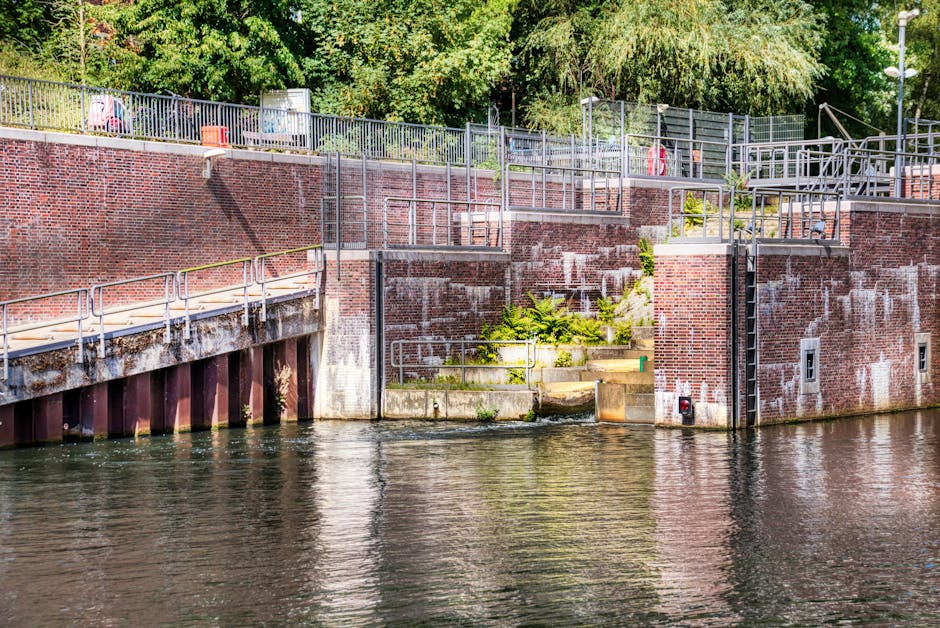
Top gardeners for Hatton Locks riverside gardens
Riverside gardens have a character all their own. The light changes quickly, the breeze can be bracing, and the soil often behaves differently from a standard suburban plot. If you are looking for Top gardeners for Hatton Locks riverside gardens, you are probably not just after routine mowing and tidying. You want someone who understands moisture, wind exposure, seasonal growth, and the quiet details that make a garden feel calm rather than constantly battle-worn.
That is the real difference with a riverside garden. A good gardener does not simply cut back growth and leave. They shape planting so it can cope, keep the space looking cared for through the seasons, and make the garden somewhere you actually want to spend time in. Below, you will find a practical guide to choosing the right gardeners, what they do, what to expect, and how to plan a garden that works beautifully near the water.
Table of Contents
- Why Top gardeners for Hatton Locks riverside gardens Matters
- How Top gardeners for Hatton Locks riverside gardens Works
- Key Benefits and Practical Advantages
- Who This Is For and When It Makes Sense
- Step-by-Step Guidance
- Expert Tips for Better Results
- Common Mistakes to Avoid
- Tools, Resources and Recommendations
- Law, Compliance, Standards, or Best Practice
- Options, Methods, or Comparison Table
- Case Study or Real-World Example
- Practical Checklist
- Conclusion
- Frequently Asked Questions
Why Top gardeners for Hatton Locks riverside gardens Matters
Hatton Locks has a very particular feel. Water nearby changes the microclimate, and that matters more than many people expect. Damp mornings can encourage lush growth in some spots, but they can also bring moss, weeds, and disease pressure if a garden is not managed well. Add wind exposure, changing shade from trees and buildings, and the occasional heavy rain, and you have a garden that needs more than a casual once-over.
The best gardeners for this kind of space understand that riverside planting is about balance. You want greenery that looks natural, but not unruly. You want structure, but not stiffness. You want paths that stay usable after wet weather, planting that does not flop over in a breeze, and maintenance that keeps pace with fast seasonal growth.
It is also a trust issue. A riverside garden can be tricky to maintain if work is delayed. Once weeds take hold along borders, or ivy starts running into fences and walls, the job gets bigger, less tidy, and frankly more expensive. That is why people search for top gardeners rather than just the cheapest option. They are trying to avoid the slow drift into chaos. Let's face it, gardens rarely go downhill all at once. They slip. Quietly.
If you are weighing up local support, the broader gardening services offered on the site give a good sense of how a professional team can cover routine care as well as more involved outdoor work. For garden areas that need regular upkeep rather than a one-off rescue, that continuity matters.
How Top gardeners for Hatton Locks riverside gardens Works
Good riverside garden care starts with observation. A skilled gardener will usually look at drainage, wind direction, shade patterns, existing plant health, edging, hard surfaces, and how people actually use the space. That first look tells them a lot. For example, a patch that seems "just a bit wet" may actually be compacted soil with poor drainage. A section that looks sparse may simply be in a wind tunnel. Not glamorous stuff, but very real.
From there, the work usually falls into a few practical phases:
- Assessment: checking the condition of borders, lawns, hedges, trees, and hard landscaping.
- Prioritisation: identifying urgent issues such as overgrowth, storm damage, slippy paths, or invasive plants.
- Planning: deciding which areas need immediate attention and which need longer-term improvement.
- Execution: carrying out maintenance, pruning, mowing, clearance, planting, or repairs.
- Ongoing care: setting a schedule that keeps the garden in shape through wetter and colder months.
In practical terms, this might mean tidying borders one visit, then returning later for hedge shaping, lawn care, or tree-related work. If a garden includes a tired lawn, the lawn care service is worth considering alongside routine maintenance, because riverside conditions can leave turf looking patchy, soft, or mossy if it is left alone too long.
There is also a strong seasonal rhythm. Spring is usually about recovery and growth control. Summer is about shaping and keeping the space usable. Autumn often brings leaf fall, drainage checks, and wind damage. Winter? Winter is the honest test. A garden that is still tidy after a frosty spell and a few wet weeks has usually been planned well.
Key Benefits and Practical Advantages
Hiring the right gardener for a riverside setting is not just about appearance, though appearance matters. It is about making the garden easier to live with, easier to maintain, and better able to handle environmental pressure.
- Better resilience: Planting choices and maintenance methods can reduce damage from wind, damp, and frost.
- Cleaner presentation: A well-managed garden looks calmer, which is especially noticeable beside water and open views.
- Less long-term work: Preventative care usually saves more time than reactive clear-up.
- Safer outdoor spaces: Slippery paths, unstable branches, and obstructed routes can be addressed before they become a nuisance.
- Improved privacy: Hedges, screening, and layered planting can make riverside spaces feel more secluded.
- Better plant performance: The right species in the right spot is half the battle.
There is a practical money benefit too. A garden that is maintained regularly tends to avoid the big, disruptive jobs that arrive after months of neglect. If you have ever faced a bramble-filled corner or a hedge that has gone past "slightly untidy" into "how did it get like this?", you will know what I mean.
For smaller or more design-led areas, a gardener may also suggest compact solutions that reduce upkeep, such as raised containers, low-growing ground cover, or easier-access planting beds. The idea is not to strip the garden back until it feels bare. It is to make it work better for your life. A good rule, honestly.
For readers comparing approaches, affordable garden designs requiring minimal upkeep can be a useful starting point when the goal is to keep things attractive without creating a maintenance burden.
Who This Is For and When It Makes Sense
This kind of service is especially useful if your garden has one or more of the following traits:
- It sits close to open water or a damp area and stays moist for much of the year.
- It gets strong breezes that flatten planting or dry out exposed beds.
- It has mature shrubs, hedges, or trees that need careful control.
- The lawn is patchy, mossy, or hard to keep even.
- There is ivy, weeds, or bramble growth returning again and again.
- The space is used by children, pets, or guests, so safety matters.
- You want the garden to look good without spending every weekend on it.
It also makes sense if you have just moved in and inherited a garden that feels unknown. That is very common. The first walk round usually reveals a few surprises. A hidden stump here, some overgrown stems there, maybe a fence line that needs attention. The garden may not be broken, just neglected. Which is actually good news, because neglect is easier to reverse than structural damage.
If your project needs more than mowing and tidying, take a look at general gardening support alongside specialist help such as landscaping or tree surgery. Riversides often combine multiple needs, so a mixed approach is normal rather than unusual.
Step-by-Step Guidance
If you are working out how to brief a gardener, or simply how to think about your own space, this step-by-step approach keeps things sensible.
- Walk the garden in different weather. A space that feels fine on a dry afternoon can behave very differently after rain or a windy morning.
- Note the problem zones. Look for waterlogging, shade, exposed corners, overgrown edges, and awkward access points.
- Decide what must be fixed first. Safety and access usually come before aesthetics.
- Separate maintenance from improvement. Tidy-up work is not the same as redesign. Both matter, but they are different jobs.
- Choose plant types that suit the site. Moisture-loving, wind-tolerant, shade-tolerant, or low-maintenance plants may be better than fussy choices.
- Plan the maintenance cycle. A river-edge garden usually needs repeat visits or seasonal care, not one big annual clear-out.
- Review after the first round of work. After the main jobs are done, stand back and check what still feels unbalanced.
One small but useful detail: if you are unsure whether a plant should stay or go, do not rush the decision. In a riverside setting, structure is useful. Sometimes a plant that looks messy in February turns out to be doing valuable work in June, especially with nesting, screening, or erosion control. Not every scruffy thing is a problem.
For beginner-friendly routines, these essential gardening tips for novices can help you get the basics right between professional visits.
Expert Tips for Better Results
Here is where the experienced eye makes a real difference. A few details can transform how a riverside garden performs.
Choose planting with movement in mind
Plants beside open water often catch more wind than expected. Stiff, fragile stems can look fine in a nursery and then flop after the first blustery week. Layered planting with stronger front-line shrubs, and softer plants tucked behind, tends to age better.
Use ground cover where bare soil keeps appearing
Bare soil is a magnet for weeds, erosion, and muddy patches. Ground cover can keep the surface cooler, neater, and more stable. If that sounds useful, the guide on ground cover plants for UK gardens is genuinely helpful.
Keep hedges sharp, but not brutal
Hedges near paths, boundaries, and water views need regular shaping. Over-trimming, though, can leave them thin and stressed. The goal is a clean outline with enough foliage to stay healthy. If you want a deeper look at shaping and maintenance, hedge trimming in Hatton is a sensible related service to consider.
Use containers for awkward or exposed spots
Containers are underrated. In a riverside garden, they let you move tender plants, test a planting idea, or bring colour to a small terrace without committing a whole bed. They also make it easier to respond to wet soil. A container can be shifted. A border, not so much.
Plan for winter before winter arrives
That sounds obvious, but people forget it every year. Some plants need protection from cold snaps, and some need a bit of breathing space to avoid rot in wet conditions. A clear pre-winter tidy-up can save a lot of heartache later. The article on shielding your garden plants from frosty winters is worth a read if your garden feels exposed.
Two quick truths from real garden work: first, no garden is ever quite finished. Second, the best results usually come from small, regular decisions rather than dramatic weekend sprints. Sounds boring. Works brilliantly.
Common Mistakes to Avoid
Riverside gardens can go wrong in predictable ways. These mistakes come up again and again, and to be fair, most are understandable.
- Ignoring drainage: If water sits in one area, planting there will always be harder until the drainage issue is understood.
- Choosing plants only for looks: Pretty plants that hate wind or wet soil can become a repeated expense.
- Letting ivy run unchecked: Ivy looks charming until it starts taking over fences, walls, or neglected corners. There is a difference between rustic and unruly.
- Cutting hedges too late: This can lead to a more severe, uneven tidy-up and sometimes weaker regrowth.
- Leaving leaf litter too long: It traps moisture, blocks light, and can make paths slippery.
- Overusing hard surfaces: Too much paving can make a garden feel hot, stark, or poorly balanced, even in a riverside setting.
- Trying to do everything at once: Big clearances are fine, but the best outcomes usually come from a sensible order of work.
If your space has gone beyond routine maintenance, the guide on reviving an overgrown garden can help you understand the right sequence before you start hacking away at it. Which, let's be honest, is the temptation.
Tools, Resources and Recommendations
Top gardeners for riverside gardens typically rely on a practical kit rather than fancy gimmicks. The essentials often include:
- sharp secateurs and loppers for clean cuts
- a reliable mower or strimmer for lawn and edge control
- hand forks, spades, and rakes for soil and border work
- hedge tools for shaping and reduction
- gloves and protective gear for thorny or awkward clearance
- barrows or bags for moving waste safely
- mulch or compost for feeding and protecting soil
For readers who like to learn while planning, a few website resources can be useful. If you are thinking about reducing weeds naturally, take a look at natural weed control methods. If your borders need a stronger visual edge, fast-growing privacy hedges can help create a calmer, more enclosed feel without making the garden heavy.
And if your garden is part of a larger outdoor refresh, services like patio cleaning, lawn mowing, or even fencing can sit neatly alongside planting and maintenance work. A tidy garden is often a joined-up project, not one isolated job.
Law, Compliance, Standards, or Best Practice
For gardens near water, safety and responsibility matter. You do not need to turn the whole thing into a formal project file, but it is sensible to work to accepted UK gardening best practice.
That usually means:
- keeping pathways, steps, and access routes clear
- disposing of green waste properly and not dumping it near drainage or water-adjacent edges
- using appropriate equipment for ladders, hedge cutting, and tree-related work
- taking extra care around unstable ground, wet paving, or hidden roots
- checking whether larger tree work needs specialist attention
Professional providers should also have clear processes for insurance, safety, terms, and payment. Those policies are not just paperwork. They are part of how you know work is being handled properly. If you want to review those practical details, the site's insurance and safety, health and safety policy, terms and conditions, and payment and security pages are useful trust-building references.
For many garden owners, another sign of a serious provider is transparency around complaints and pricing. Not because things go wrong all the time, but because clear process reduces confusion when work spans multiple visits or seasonal changes. The pricing and quotes and complaints procedure pages help set those expectations early.
Options, Methods, or Comparison Table
When people search for gardeners, they often mean one of three things: a regular maintenance team, a problem-solving gardener, or a design-and-build specialist. The right choice depends on what the garden actually needs. Here is a simple comparison.
| Option | Best for | Typical focus | Limitations |
|---|---|---|---|
| Regular garden maintenance | Ongoing upkeep, tidy borders, lawn care, hedge shaping | Consistency, seasonal control, neat appearance | May not solve deeper drainage or redesign issues |
| Clearance and recovery work | Overgrown, neglected, or difficult gardens | Fast improvement, restoring access, removing problem growth | Often needs follow-up maintenance to stay under control |
| Landscaping and redesign | Gardens that need layout changes, structure, or better use of space | Paths, borders, zones, screening, planting structure | Usually more involved and takes longer to plan |
In a riverside setting, the best answer is often a mix. A garden might need clearance first, then maintenance, then a bit of redesign so it stops slipping back into the same problems. That is normal. Really normal.
If you are unsure which route suits you, the service page for garden maintenance is a sensible place to start, while landscaping becomes more relevant if the structure of the garden needs changing.
Case Study or Real-World Example
Picture a typical riverside garden near Hatton Locks: a narrow lawn, a hedge line that has grown a little too bold, one damp border that never seems to dry, and a seating area that is pleasant on calm days but feels a bit exposed when the wind picks up. Nothing dramatic. Just the kind of garden that quietly asks for attention.
In a situation like that, a good gardener would probably begin with a clear-up. Overhanging growth gets reduced. The lawn is cut and edged. Weeds are removed before they seed. The damp border is assessed for what will actually survive there rather than what looked nice in a catalogue. A few sturdier shrubs, some ground cover, and maybe a couple of containers near the seating area can change the feel entirely.
Then comes the bit people often underestimate: finishing. A garden only feels truly improved when the edges are crisp, the waste is gone, the planting has room, and the seating area no longer feels like it is sitting in the middle of a half-finished job. The result is not just prettier. It is calmer.
If the space includes children or pets, that changes the brief again. Paths need to be clear, thorny growth managed, and any fragile planting protected. For that kind of family use, it can help to read guidance on making a yard work for both dogs and plants, or if the garden is meant to be more playful, ideas for a kids' garden can spark useful thinking.
Practical Checklist
Before you book or brief a gardener, work through this checklist. It keeps the conversation focused and saves time later.
- Do I need regular maintenance, a one-off clearance, or a full redesign?
- Which areas are affected by wind, shade, wet soil, or poor access?
- Are there hedges, trees, ivy, or invasive weeds that need specialist attention?
- Do I want privacy, screening, better seating areas, or low-maintenance planting?
- Is the lawn part of the plan, or does it need separate care?
- Do I need help with paths, patios, or outdoor structures as well?
- Have I thought about pet safety, child safety, and seasonal protection?
- Is there a clear budget and timeline?
- Do I know what should be done first, and what can wait?
- Have I checked the provider's policies and quote process?
If you want a calmer garden with less ongoing fuss, the article on low-upkeep garden design is a smart companion read. For people who want a more distinctive finish, stylish seating retreats can help turn a plain corner into a place you actually use.
Conclusion
The best gardeners for Hatton Locks riverside gardens are the ones who understand that a beautiful outdoor space near water has to do more than look neat for a week. It has to cope with wind, moisture, seasonal growth, and real human use. It has to feel welcoming in spring, stable in summer, and still hold its shape when the weather turns a bit miserable. Which, in the UK, is not exactly rare.
Choose gardeners who ask sensible questions, notice the awkward bits, and build a plan around how your garden actually behaves. That is where the value is. Not in overpromising, but in steady, practical work that makes the garden easier to enjoy and easier to live with.
And if your riverside space needs a fresh start, a few targeted improvements can make a surprisingly big difference. A clearer path, a better hedge line, the right planting in the right place. Sometimes that is all it takes for the whole garden to breathe again.
Get a free quote today and see how much you can save.
If you would like to learn more about the team behind the work, visit the about us page, or head to the contact page when you are ready to talk through your garden properly.
Frequently Asked Questions
What makes riverside gardens different from ordinary gardens?
Riverside gardens are usually more exposed to wind, damp, and seasonal shifts. That changes everything from plant choice to how often borders, hedges, and lawns need attention.
How often should a riverside garden be maintained?
It depends on the size and planting style, but many riverside gardens benefit from regular seasonal care rather than waiting for problems to build up. Fast-growing hedges and lawns usually need more frequent visits.
Can gardeners help with overgrown riverside gardens?
Yes. A professional gardener can clear access routes, reduce overgrowth, remove weeds, and bring the garden back to a manageable condition before setting up ongoing maintenance.
Are low-maintenance plants a good idea near Hatton Locks?
Usually, yes. Low-maintenance planting can be a smart choice if the space is windy or damp. The key is matching the plants to the actual conditions rather than just the look you want.
Do I need hedge trimming as a separate service?
If your hedges are significant, fast-growing, or part of the garden's structure, separate hedge trimming can be very useful. It helps keep boundaries tidy and stops the garden from feeling closed in.
What should I ask before hiring a gardener?
Ask what kind of work they specialise in, how they handle regular maintenance, whether they can manage clearance or tree-related work, and how quotes are structured. Clear answers are a good sign.
Can a gardener help improve privacy in a riverside garden?
Yes. Hedges, layered planting, screening shrubs, and clever use of structures can all improve privacy without making the garden feel boxed in.
What if the lawn keeps going patchy or mossy?
That may be due to damp, shade, compaction, or a mix of issues. Lawn care can address the symptoms, but the underlying cause should be assessed too. Otherwise, the same problem tends to return.
Is it worth combining garden maintenance with patio cleaning or fencing work?
Often it is. A clean patio, sound fencing, and tidy planting together create a much stronger finish than one isolated improvement. Gardens rarely improve in neat little boxes.
How do I know whether I need landscaping instead of maintenance?
If the garden layout no longer works, access is awkward, or the space needs structural changes, landscaping may be the better option. Maintenance is best for keeping a good setup in shape; landscaping is for changing the setup itself.
Can professional gardeners help with pet-friendly gardens?
Yes. They can suggest safer planting, clearer routes, and layouts that reduce damage from playful dogs or muddy paws. It is a practical kind of design, and very useful.
What is the next step if I want help with my garden?
Start with a conversation about your priorities: tidy-up, regular care, privacy, lawn repair, or a bigger refresh. Once that is clear, it becomes much easier to agree a sensible plan.